
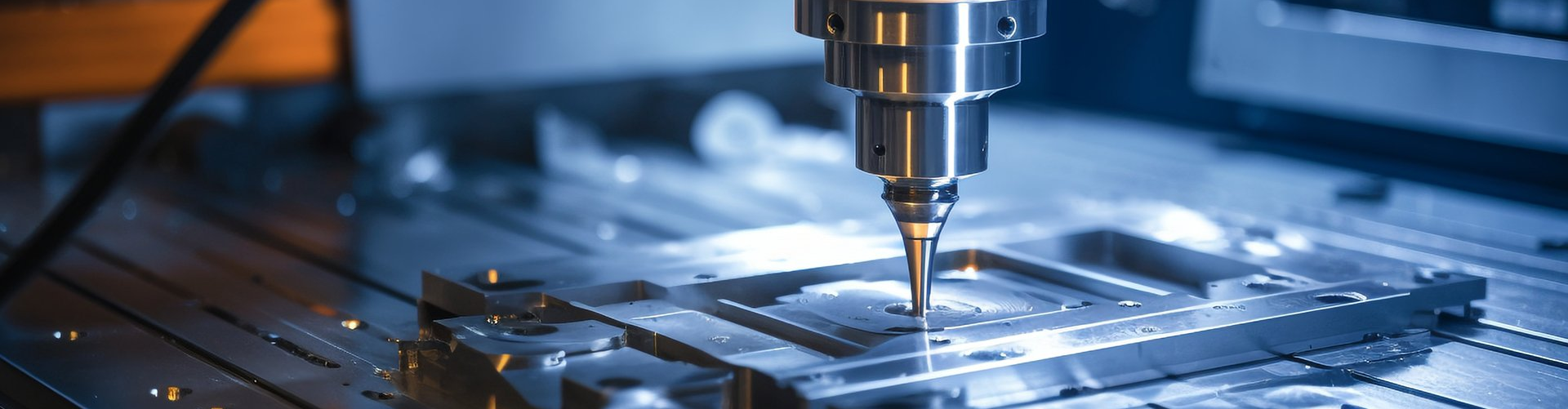

Gravure Packing Printing Machine
Gravure Packing Printing Machine
I. Machine Overview
Gravure Packing Printing Machine (hereinafter referred to as gravure printing machine) is a high-precision, high-efficiency core packaging printing equipment, which adopts intaglio printing technology — the pattern is carved on the surface of the metal roller (gravure cylinder), and the ink is stored in the concave part of the pattern. When printing, the surface ink is scraped off by the doctor blade, and the ink in the concave part is transferred to the packaging substrate under a certain pressure to complete the printing. As a high-end printing equipment, it is mainly characterized by extremely high printing precision, rich and durable colors, stable production quality, and strong adaptability to large-batch production. It is widely used in high-end packaging fields such as food, tobacco, cosmetics, and medical care, and is the preferred equipment for high-grade flexible packaging, aluminum foil packaging, and composite film packaging. With the upgrading of digital technology, the modern gravure printing machine has realized intelligent control, which greatly improves production efficiency and reduces manual intervention.
Core Definition & Origin
The name "gravure printing machine" comes from its printing plate form — the pattern is carved in the concave part of the metal roller, which is the core feature that distinguishes it from flexographic printing machines, offset printing machines and other equipment. Essentially, it is a typical intaglio printing equipment. The gravure cylinder (usually made of copper or chrome-plated steel) is the core component. The deeper the concave part of the pattern, the more ink it stores, and the thicker the ink layer on the printed product. This "intaglio ink storage" principle makes its color expression far superior to other printing machines.
II. Core Features
① High Precision & Rich Colors: The gravure cylinder is carved by laser, with a resolution of up to 1200dpi, which can perfectly restore fine patterns, gradient colors and small texts. The ink layer is thick and uniform, the color saturation is high, the color fastness is strong, and it is not easy to fade or rub off, which is suitable for high-end packaging that requires exquisite appearance. ② Stable Mass Production: The structure is stable, the operation is reliable, and it can run continuously for 24 hours. It is especially suitable for long-order large-batch production (single order volume ≥ 100,000 pieces). The production efficiency is high, and the error rate is less than 0.1%. ③ Wide Adaptability to Inks: It can be compatible with various types of inks, including solvent-based, water-based, UV-curable inks, etc., and can meet the printing requirements of different substrates and packaging scenarios (such as food contact packaging, high-temperature resistant packaging). ④ Strong Substrate Adaptability: It can print on various substrates, including plastic films (PE, PP, PET, BOPP), aluminum foil, composite films, paper, etc., especially suitable for thin-film flexible packaging and high-gloss packaging. ⑤ Intelligent Operation: Equipped with a high-end PLC intelligent control system, it has functions such as automatic color registration (precision ≤ ±0.05mm), automatic tension control, ink viscosity automatic adjustment, remote monitoring and maintenance, and fault automatic alarm, which simplifies operation and reduces manual errors. ⑥ Durable Equipment: The gravure cylinder is made of high-quality metal, which is wear-resistant and corrosion-resistant, and has a long service life (usually 5-8 years); the key components adopt imported servo motors, which are stable and durable.
III. Technical Parameters
Parameter Item | General Configuration | High-end Configuration | Remarks |
Printing Color Groups | 4-6 colors | 8-12 colors (including 2-4 spot colors) | Support multi-color gradient printing, meet complex pattern requirements |
Maximum Printing Width | 800-1300mm | 1500-2500mm (customizable) | Adapt to different specifications of flexible packaging and composite films |
Printing Speed | 200-350m/min | 400-600m/min (max 550m/min for partial models) | High-speed operation, suitable for large-batch rapid production |
Overprinting Precision | ±0.1mm | ≤±0.05mm (intelligent automatic color registration) | Digital electric control color registration, no deviation during speed change |
Applicable Materials | Plastic film, aluminum foil, composite film, paper | Thin film (10-50μm), thick composite film (50-200μm), aluminum foil (8-20μm) | Wide adaptability, suitable for high-end flexible packaging and aluminum foil packaging |
Ink Type | Solvent-based, water-based ink | UV, EB curing environmental protection ink, full water-based ink | Meet environmental protection standards, suitable for food, medical packaging |
Gravure Cylinder Specification | φ300-φ500mm, laser engraving | φ400-φ600mm, laser engraving + chrome plating | Wear-resistant, corrosion-resistant, long service life |
Unwind/Rewind Diameter | Max φ1200mm | Max φ1600mm, automatic roll change | Automatic roll diameter identification, reducing material loss |
Control System (控制系统) | PLC + touch screen, manual color registration | Intelligent PLC + touch screen, automatic color registration, remote operation and maintenance, AOI online quality inspection | Intelligent operation, fault alarm, easy to maintain |
Function Configuration (功能配置) | Printing + hot air drying + unwinding/rewinding | Online die-cutting, slitting, laminating, glazing, automatic tension control | One-stop production, improve production efficiency |
IV. Working Principle
The working principle of the gravure printing machine is based on the "intaglio ink storage" principle, which can be divided into 5 core steps: ① Ink Loading: The ink is poured into the ink tank, and the gravure cylinder is immersed in the ink (or the ink is transferred to the surface of the gravure cylinder through the ink roller), so that the concave part of the pattern on the gravure cylinder is filled with ink. ② Ink Scraping: The doctor blade is closely attached to the surface of the gravure cylinder, and when the gravure cylinder rotates, the doctor blade scrapes off the excess ink on the surface of the gravure cylinder, leaving only the ink in the concave part of the pattern. ③ Substrate Feeding: The packaging substrate (film, aluminum foil, etc.) is fed to the printing unit through the automatic feeding system, and the tension is adjusted to ensure that the substrate is flat and does not deviate. ④ Pattern Transfer: Under the action of a certain pressure, the gravure cylinder is in contact with the substrate, and the ink in the concave part of the gravure cylinder is transferred to the surface of the substrate to complete the printing of patterns and texts. ⑤ Drying and Finishing: The printed substrate is sent to the drying system (hot air/infrared/LED-UV curing), so that the ink is quickly fixed to avoid smearing; finally, it is collected after finishing processes such as die-cutting and slitting (if equipped with online functions).
V. Application Fields
Relying on the advantages of high precision, rich colors and stable mass production, gravure printing machines are mainly used in high-end packaging fields, covering many industries: ① Food Industry: High-grade food packaging (such as chocolate packaging, candy packaging, instant noodle packaging), edible oil labels, dairy product flexible packaging, aluminum foil food packaging, etc. ② Tobacco Industry: Cigarette outer packaging, cigarette case inner lining, tobacco labels, etc. (the core equipment for tobacco packaging printing). ③ Cosmetics Industry: High-end cosmetic outer packaging, cosmetic flexible packaging, skin care product labels, perfume outer packaging, etc. ④ Pharmaceutical Industry: Medical composite film packaging, medicine bottle labels, medical aluminum foil (batch number, production date printing), etc. ⑤ Other Fields: High-grade gift boxes, electronic product packaging, high-gloss film packaging, aluminum foil composite packaging, etc. It is especially suitable for scenarios that require high printing precision, rich colors and large-batch production.
VI. Core Components
① Feeding Unit: Including automatic unwinding device, constant tension control system, dust and static removal device, which ensures flat and stable feeding of substrates and reduces printing errors caused by deviation or dust. ② Printing Unit: Composed of gravure cylinder, doctor blade, pressure roller and color group drive system. The gravure cylinder is the "core" of the gravure printing machine, which is responsible for storing and transferring ink; the doctor blade is responsible for scraping excess ink; the servo drive ensures stable operation of each color group and accurate overprinting. ③ Drying System: Hot air/infrared/LED-UV curing device, which can quickly dry the ink to avoid ink smearing and improve production efficiency. The high-end configuration adopts intelligent temperature control technology, which saves energy and reduces emissions. ④ Post-processing Unit (optional): Including online die-cutting, slitting, glazing, laminating and other devices, which can realize one-stop production and reduce intermediate processing links. ⑤ Control System: PLC + touch screen, with functions such as automatic color registration, tension control, order parameter storage (up to 999 groups), remote operation and maintenance, and fault alarm, which simplifies operation and ensures stable production quality.
VII. Common Faults & Solutions
① Ink Smearing (ink not dry, mutual color pollution): Check the temperature of the drying system, increase the drying temperature or slow down the printing speed, replace the ink with faster drying speed, and check whether the doctor blade is worn (replace if necessary). ② Overprinting Deviation: Check the operation of the automatic color registration system, adjust the tension of the feeding unit, re-install and fix the gravure cylinder, and check whether the servo drive is normal. ③ Ink Leakage (uneven ink layer): Check the ink pipeline for leakage, adjust the ink viscosity, clean the gravure cylinder mesh holes, and replace the worn doctor blade. ④ Doctor Blade Damage (scratched substrate, uneven ink scraping): Replace the doctor blade, adjust the contact pressure between the doctor blade and the gravure cylinder, and avoid excessive pressure. ⑤ Equipment Shutdown: Restart the equipment, check the PLC error code, troubleshoot the fault of the control system or motor, and contact after-sales service if necessary.
VIII. Daily Maintenance
① Daily Inspection: Before starting the machine every day, check the operation status of the feeding unit, printing unit and drying system, clean the dust and ink residues on the surface of the machine, and ensure that the ink is not precipitated. ② Regular Maintenance: Clean the gravure cylinder and doctor blade once a week, use special cleaning agents to avoid damage to the gravure cylinder; lubricate the transmission parts, and check the wear of the pressure roller and servo motor. ③ Ink Maintenance: Stir the ink regularly to avoid precipitation, and replace the ink that has been used for too long in time; clean the ink pipeline and ink tank regularly to avoid ink blockage. ④ Equipment Shutdown: After shutdown, clean the ink pipeline and printing unit, turn off the power and air source, and keep the machine clean and dry; store the gravure cylinder in a dry and ventilated place to avoid corrosion.